Updated: 22 July 2026
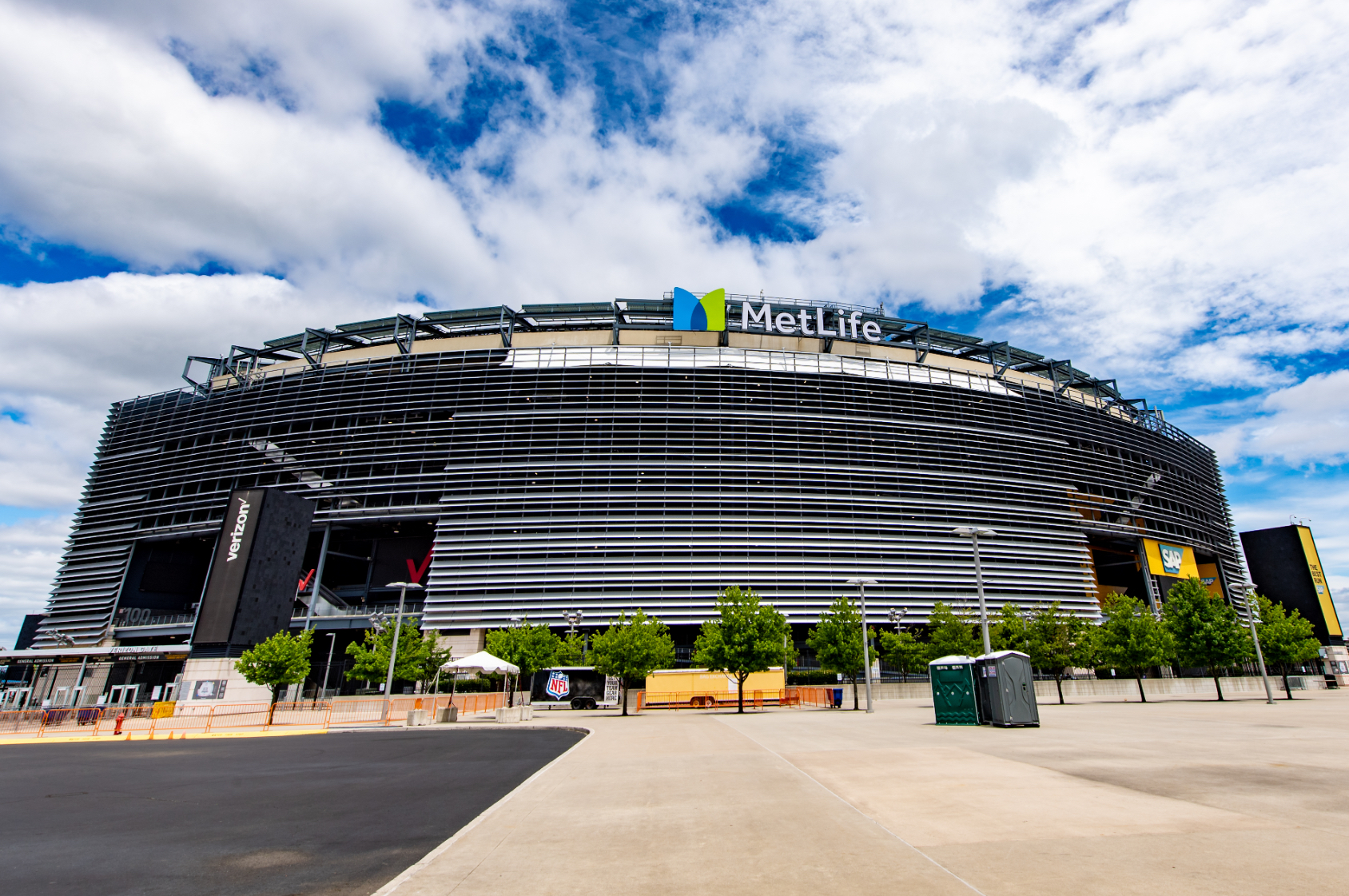
Tuesday 21 July 2026 brought no new World Cup fixtures. Spain had already beaten Argentina 1-0 after extra time at MetLife Stadium on Sunday 19 July, so yesterday’s real story for advertisers was what happened after the trophy lift: the audience numbers, the rights chatter and the argument over how Americanised this tournament became. For TV buyers, that matters because post-event value helps decide the next cycle’s price.
The strongest hard signal came from viewing. The Guardian reported on Tuesday that the BBC averaged 9.7 million viewers for the final against ITV’s 2.4 million, with peaks of 13.6 million and 3.4 million. By Wednesday morning, AP and Fox had also put U.S. scale on the board: 38.9 million viewers on Fox for the final alone, peaking above 51 million, and roughly 60 million once Fox and Telemundo were combined. That locks in one immediate planning point for UK buyers: football still delivers mass reach, but the broadcaster environment around it changes the commercial value just as much as the match itself.

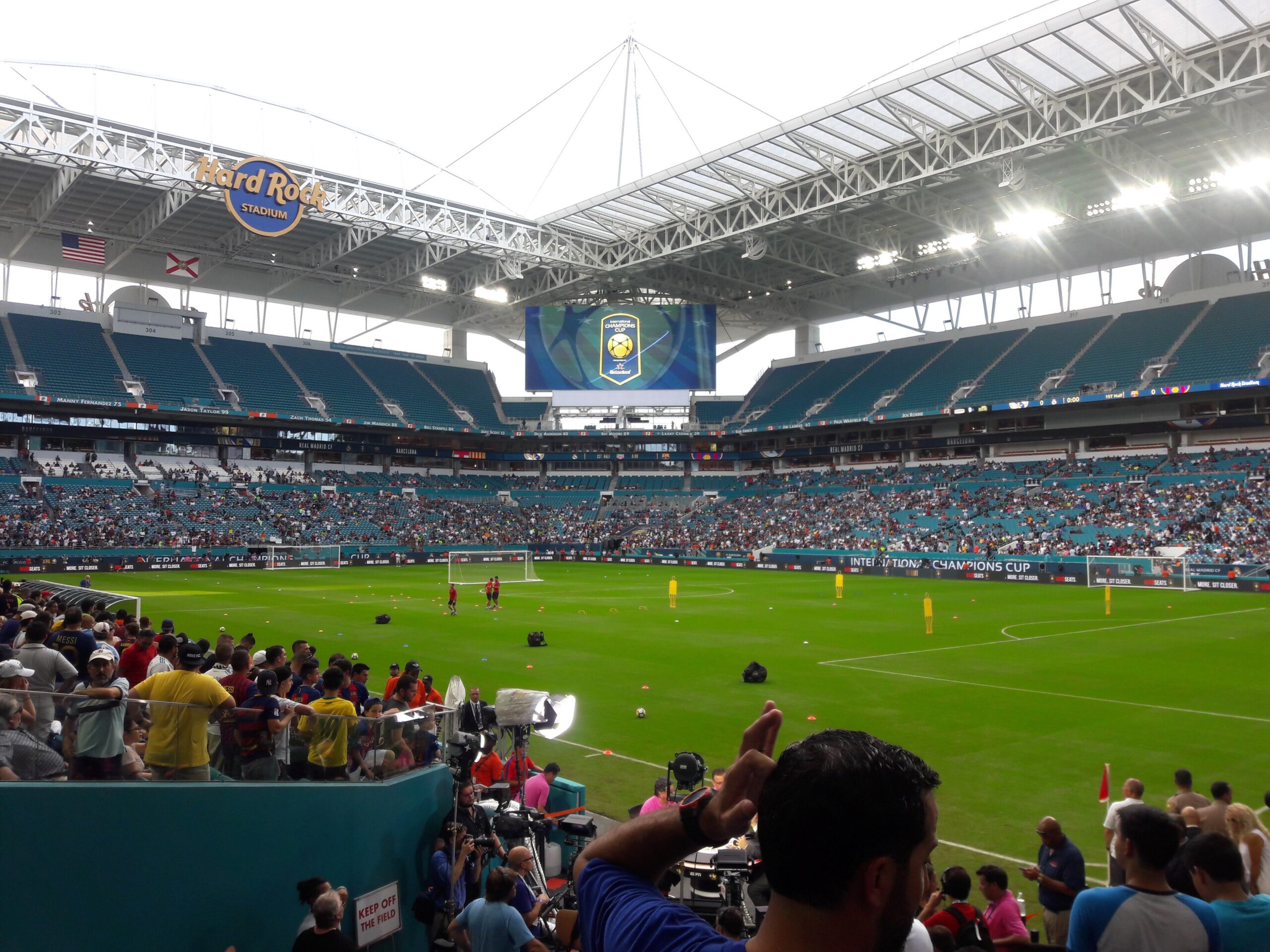
Fan reaction on Tuesday was less about who won and more about the show. The Guardian’s U.S. legacy piece said the tournament borrowed everything from countdowns and championship-ring energy to a halftime show and dynamic pricing. The lighter online reaction was that the World Cup now came packaged like a Super Bowl; the sharper criticism was that hydration breaks, delayed restarts and ad clutter pushed football too far toward spectacle. FIFA’s own account of the Topps Final Halftime Show underlined why buyers should pay attention: Bank of America, DoorDash, Marriott Bonvoy, Visa and YouTube Music were all built into an 11-minute branded platform designed to keep working across television, mobile and replay clips.
The main U.S. host-market angle is what comes next. On Tuesday, the Guardian reported that FIFA told member associations its four-year revenue outlook had risen to billion and that ticketing and hospitality had passed billion, while Fox was expected to clear more than billion in ad revenue from the tournament. If that holds, the next World Cup rights round becomes a bigger pricing event than the football calendar itself. There are no fixtures left, but the buying implication is clear: expect recap inventory, rights marketing and cross-platform football packaging to stay hot beyond the final whistle.
Sources: FIFA on the final-stage commercial platform around the Topps Final Halftime Show and integrated partners, published 19 July 2026; FIFA on attendance, engagement and tournament-scale records before the final, published 18 July 2026; The Guardian on BBC versus ITV final viewing figures, published 20 July 2026; The Guardian on FIFA’s 2038/U.S. return and rights-revenue implications, published 21 July 2026; The Guardian on the tournament’s Americanised presentation and dynamic pricing debate, published 21 July 2026; AP on the final’s combined U.S. audience across Fox and Telemundo, published 22 July 2026; Wikimedia Commons file pages for image licences and credits.