Updated: 27 July 2026
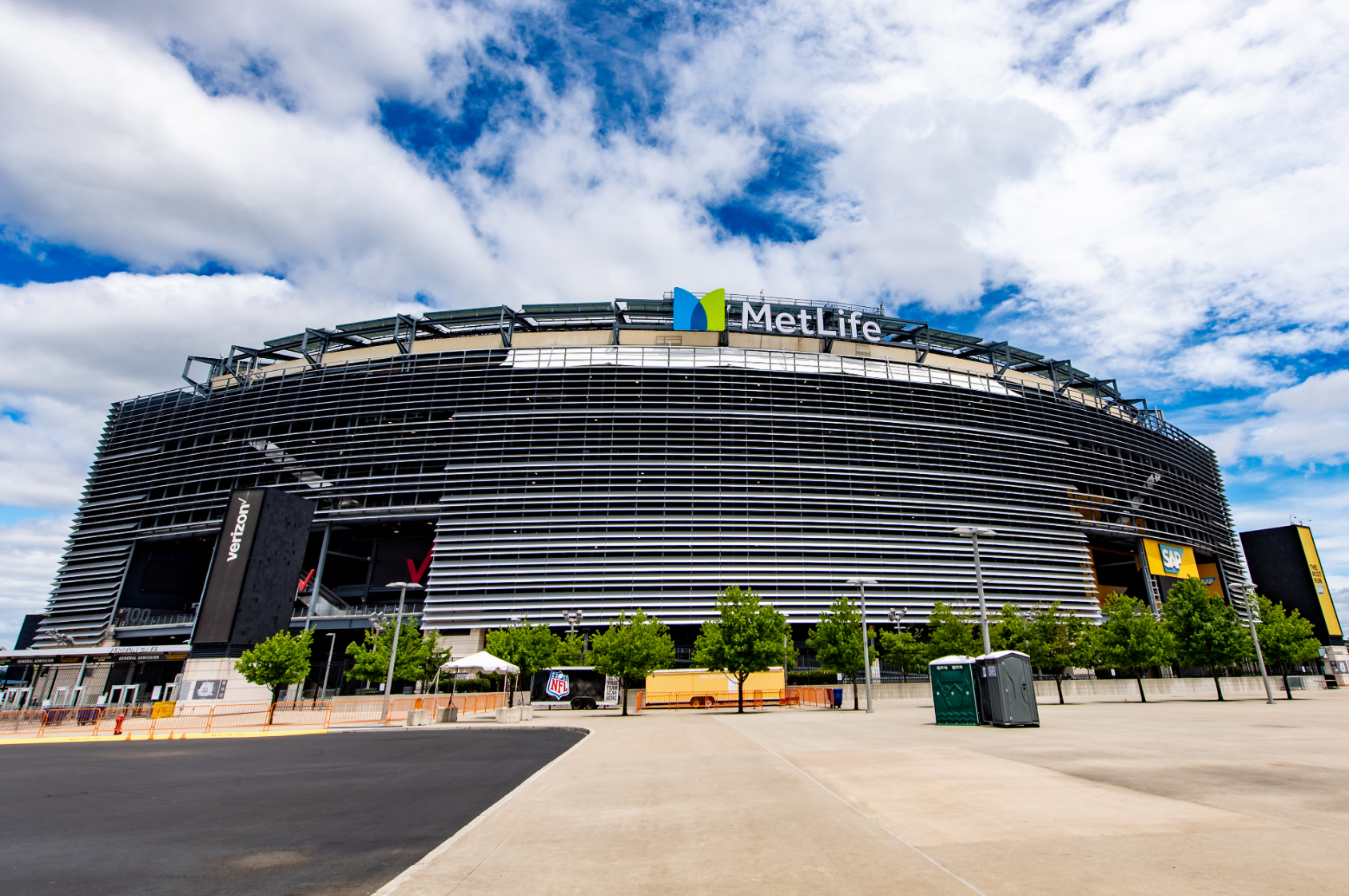
Sunday 26 July 2026 brought no new FIFA World Cup 2026 matches. FIFA’s official fixtures show the tournament ended a week earlier, when Spain beat Argentina 1-0 after extra time on 19 July. Yesterday’s useful signals for UK TV buyers came off the pitch: audience scale, host-market legacy and the rights-market heat shaping the next buy.
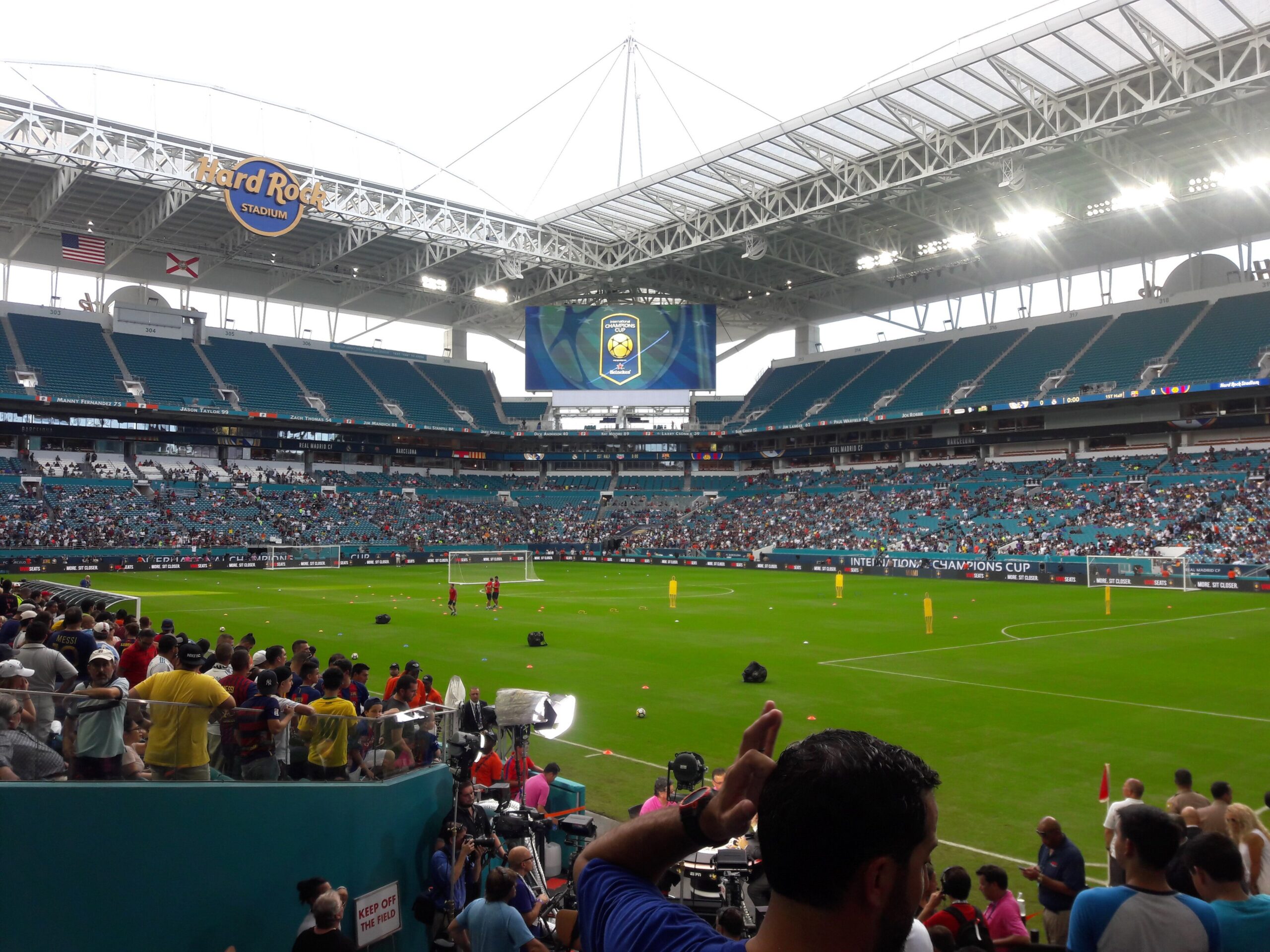
The biggest proof point remains the final itself. AP reported that Spain’s win averaged 38.937 million viewers on Fox, peaked at 51.685 million and rose to roughly 60 million once Telemundo was included. In Britain, the Guardian said the BBC averaged 9.7 million viewers against 2.4 million for ITV, peaking at 13.6 million and 3.4 million. For media buying, that is a reminder that live international football delivers mass reach fast, but broadcaster context still shapes commercial impact.

There was also a strong USA host-market angle on Sunday’s aftermath. The Guardian’s verdict on the tournament called the United States, Mexico and Canada staging more successful than many expected despite worries about political noise, travel sprawl and pricing. Sports Business Journal made a similar point in its legacy coverage: the event reset the commercial benchmark for how American venues, sponsors and broadcasters package football at scale. For UK planners, future World Cup inventory will be sold with host-city economics and bilingual reach built in.
Fan reaction stayed lively without a fixture list. The Guardian’s post-World Cup withdrawal piece captured viewers not ready to let go, while AP’s post-tournament takeaways said the 48-team format won over many doubters but complaints about ticket prices, hydration breaks and officiating noise never disappeared. The celebrity-heavy halftime show also kept social clips circulating, extending sponsor exposure beyond match time.
The next implication is not about another 2026 fixture, because there are none left. It is about price. The Wall Street Journal reported that FIFA is seeking as much as US$4 billion for bundled 2030 and 2034 U.S. rights, with interest from incumbents and streamers including ESPN, YouTube, Netflix, Amazon Prime, Fox and Telemundo. No one played on Sunday and there was no new storm. But for TV advertising and media buying, the market still moved: premium live football looks more valuable, post-match shoulder programming looks safer, and the next rights cycle looks unlikely to get cheaper.
Sources: FIFA on Spain’s 1-0 extra-time final win over Argentina, published 19 July 2026, and official scores/fixtures showing no matches on 26 July 2026; AP on the final’s Fox and Telemundo audience, published 22 July 2026; AP on post-tournament takeaways including format reaction, ticket prices and hydration-break criticism, published 20 July 2026; The Guardian on BBC versus ITV final viewing figures, published 20 July 2026; The Guardian on the tournament’s host-market verdict and post-World Cup fan withdrawal, published 21 and 24 July 2026; Sports Business Journal on World Cup 2026 legacy and commercial lessons, published 21 July 2026; The Wall Street Journal on FIFA’s 2030-2034 U.S. rights package, published 21 July 2026; Wikimedia Commons file pages for image licences and credits.