Updated: 24 July 2026
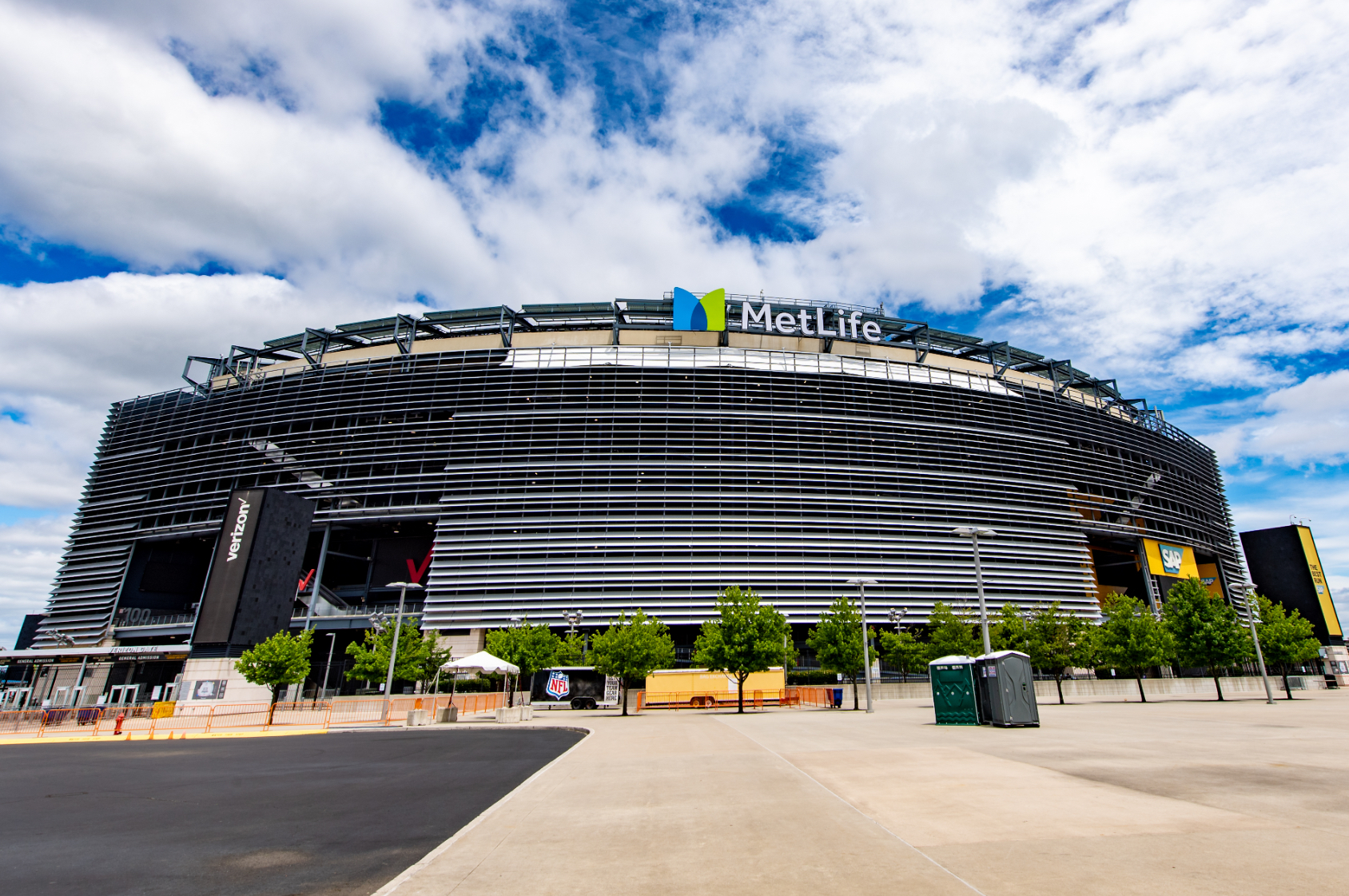
Thursday 23 July 2026 brought no new World Cup fixtures. Spain had already beaten Argentina 1-0 after extra time at New York New Jersey Stadium on Sunday 19 July, so yesterday became a pure readout day for buyers. The useful question was no longer who won, but what the tournament now lets broadcasters, streamers and FIFA charge next.
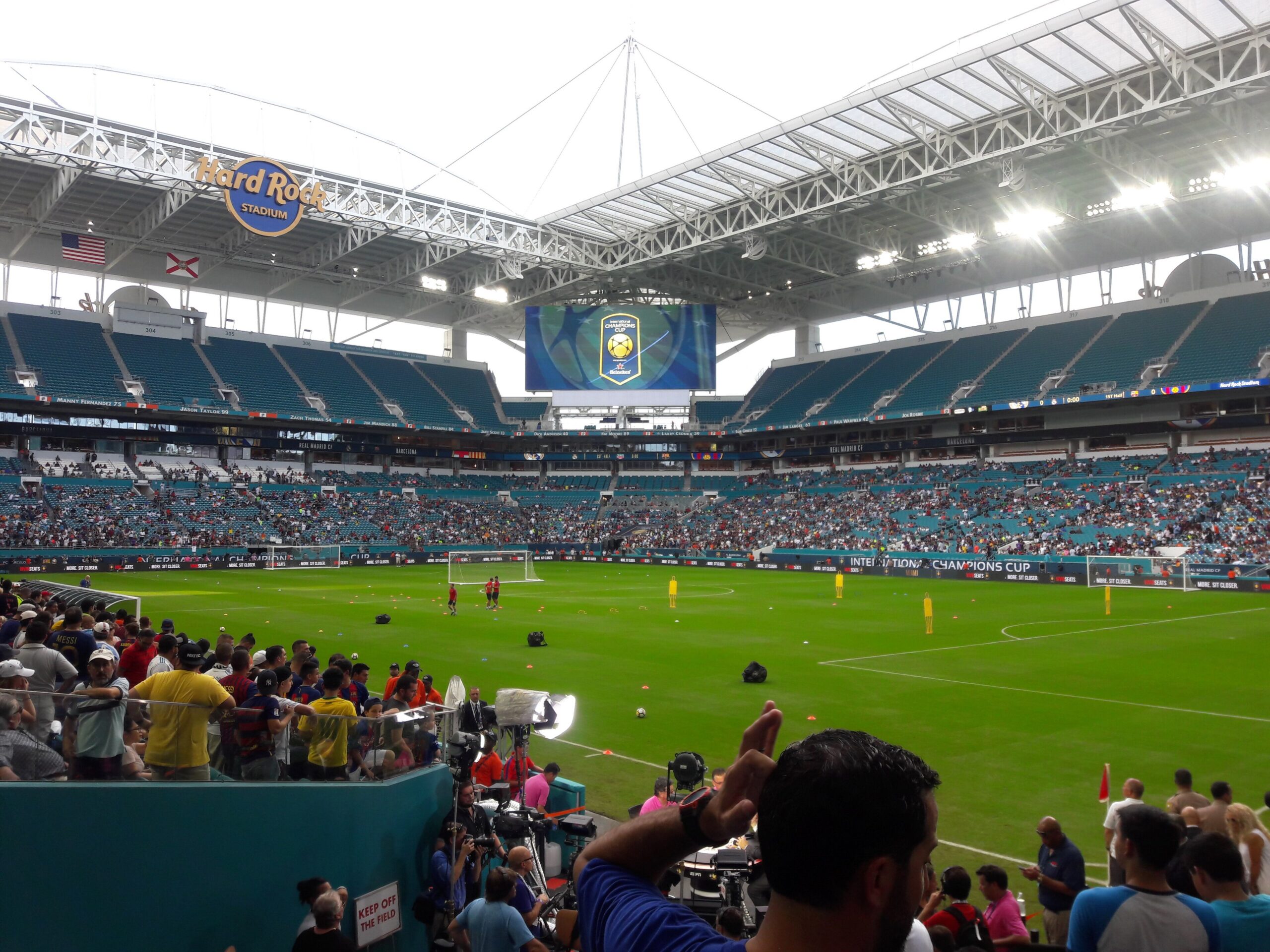
The ratings case is still the headline. AP reported the final drew 38.937 million viewers on Fox, peaked at 51.685 million and reached roughly 60 million once Telemundo was added. In the UK, the Guardian reported that the BBC averaged 9.7 million viewers for the final against 2.4 million for ITV, with peaks of 13.6 million and 3.4 million. For TV advertising and media buying, that is the core proof: live football still creates mass reach fast, but broadcaster environment and shoulder programming still change the commercial quality of that reach.

The U.S. host-market angle kept getting louder on Thursday. The Guardian reported that ticketing and hospitality sales went past US$5 billion, overtaking World Cup TV rights income for the first time. That is why the rights market has heated up so quickly: this tournament was not only a football event, it was a North American premium-event machine.
Fan reaction stayed split between delight and irritation. AP’s post-tournament takeaways said the 48-team format had won over many skeptics and turned outsiders such as Cape Verde and Curacao into attention magnets, with Cape Verde’s 40-year-old goalkeeper Vozinha among the cult heroes. The same report said complaints over ticket prices, hydration breaks and political noise around officiating never fully disappeared. That matters because advertisers got both things at once: huge reach and constant debate.
From a media-buying perspective, the most important Thursday datapoint came from Sports Business Journal. Fox executive Mike Mulvihill said Fox One signups exceeded expectations, while SBJ reported no significant audience loss during hydration-break ad windows, even when the Spain-Argentina final used picture-in-picture spots from brands including Bank of America, Dove, Adidas, Verizon, Lay’s, Michelob Ultra and The Home Depot. There are no World Cup fixtures left, but the implication for future inventory is obvious: 2030 and 2034 rights packages will be sold with higher confidence, more streaming leverage and very little discounting.
Sources: FIFA on Spain’s 1-0 extra-time final win and tournament-end records, published 19-20 July 2026; AP on the final’s Fox and Telemundo audience, published 22 July 2026; AP on post-tournament takeaways including ticket pricing, hydration-break criticism and breakout teams, published 20 July 2026; The Guardian on BBC versus ITV final viewing figures, published 20 July 2026; The Guardian on U.S. World Cup economics and 2038 bid pressure, published 21 July 2026; Sports Business Journal on Fox One signups and hydration-break audience retention, published 20 July 2026; Wikimedia Commons file pages for image licences and credits.