Updated: 25 July 2026
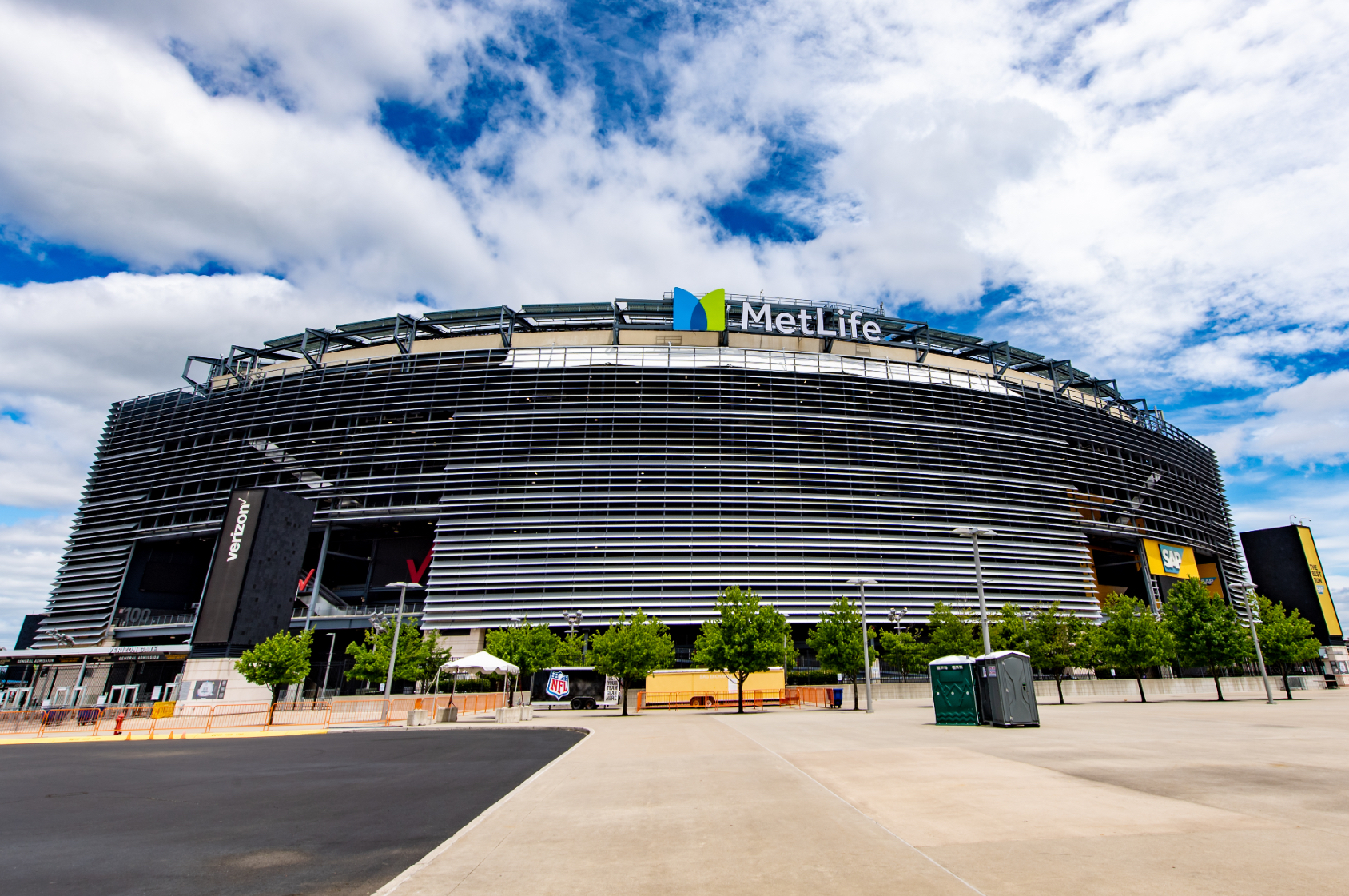
Friday 24 July 2026 brought no new FIFA World Cup 2026 fixtures. The tournament had already ended with Spain’s 1-0 extra-time win over Argentina on Sunday 19 July, so yesterday was about what buyers could learn once the football stopped. The commercial momentum still has not cooled.
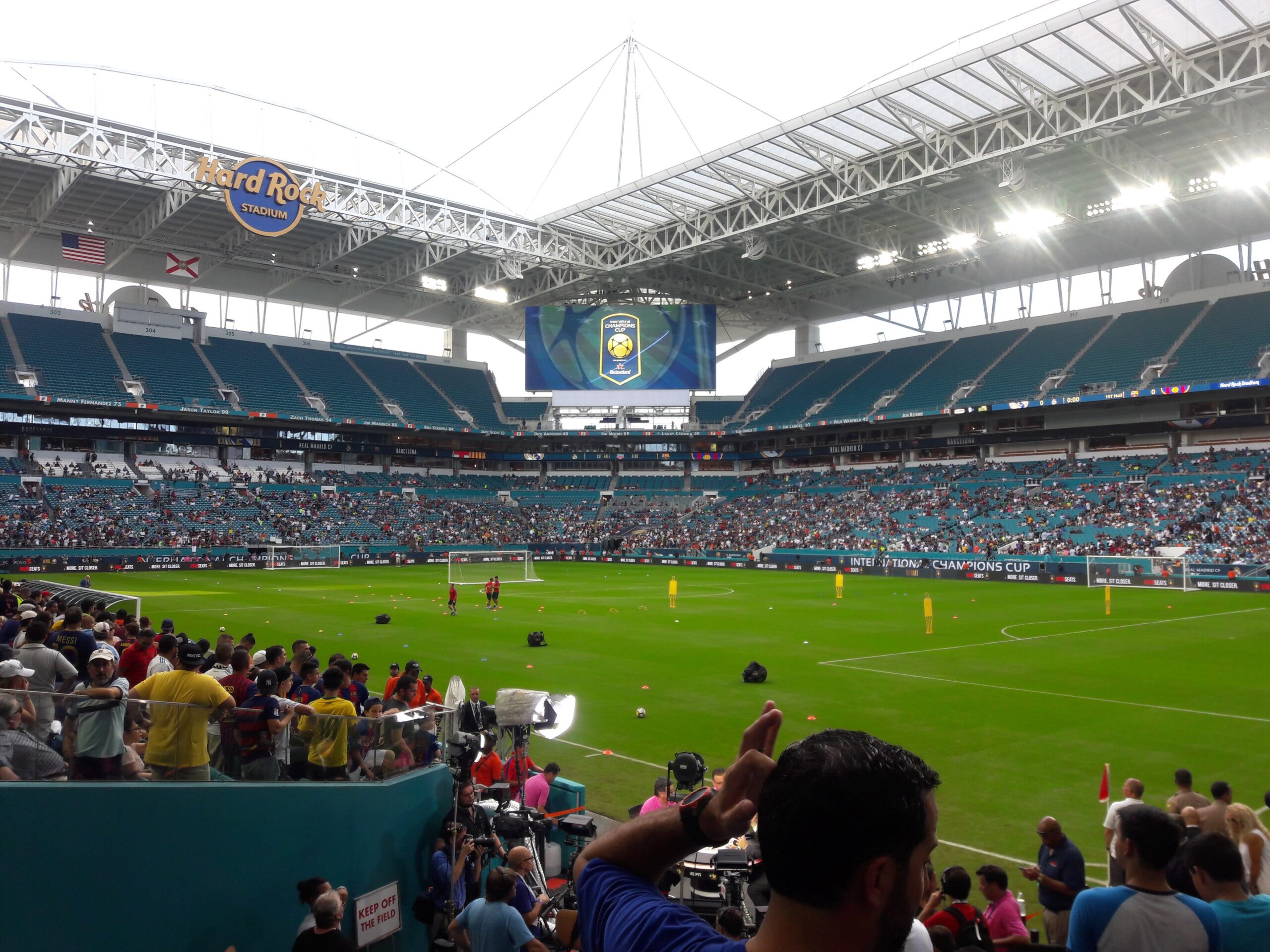
The main audience proof remains huge. AP reported that the final averaged 38.937 million viewers on Fox, peaked at 51.685 million and rose to roughly 60 million once Telemundo was included. In the UK, the Guardian said the BBC averaged 9.7 million viewers against 2.4 million for ITV, with peaks of 13.6 million and 3.4 million. For TV advertising and media buying, that confirms two things: live football still creates mass reach quickly, and broadcaster context still changes the feel of that reach.

Friday’s most useful U.S. host-market read came from Axios in Washington. Even without hosting matches, D.C. bars and rooftops reported strong trade from World Cup watch parties, with one venue drawing up to 900 fans and some operators saying turnover beat July 4. That matters for UK buyers because it shows the value of tournament adjacency in the U.S. market now reaches well beyond the 16 official host cities.
Fan reaction also turned into a media signal. The Guardian’s weekend piece on how to cope without the World Cup only works because viewers were clearly not ready to let go yet. That sense of withdrawal sits alongside AP’s post-tournament wrap, which said the 48-team format won many skeptics over while complaints about ticket prices, hydration breaks and political noise around officiating never went away. The tournament left both affection and argument behind, which is usually good news for recap inventory, social clips and sponsor recall.
The rights-market implication is now difficult to miss. The Guardian reported this week that ticketing and hospitality revenue topped US$5 billion, while Sports Business Journal said Fox One signups exceeded expectations and that hydration-break ad windows did not materially scare viewers away. No one played on Friday and there was no new on-pitch controversy. But the post-final story still moved the buy: more confidence in premium live football, more leverage for streamers, and little chance that 2030 or 2034 rights will be sold cheaply.
Sources: FIFA on Spain’s 1-0 extra-time final win over Argentina, published 19 July 2026, and official scores/fixtures showing no matches on 24 July 2026; AP on the final’s Fox and Telemundo audience, published 22 July 2026; AP on post-tournament takeaways including format reaction, ticket prices and hydration-break criticism, published 20 July 2026; The Guardian on BBC versus ITV final viewing figures, published 20 July 2026; Axios on Washington’s World Cup watch-party trade, published 24 July 2026; The Guardian on post-World Cup fan withdrawal, published 24 July 2026; The Guardian and Sports Business Journal on rights, hospitality and streaming implications, published 20-21 July 2026; Wikimedia Commons file pages for image licences and credits.